To understand the role a barcode plays in the world of IP, let’s start by explaining what a barcode is and what it is used for.
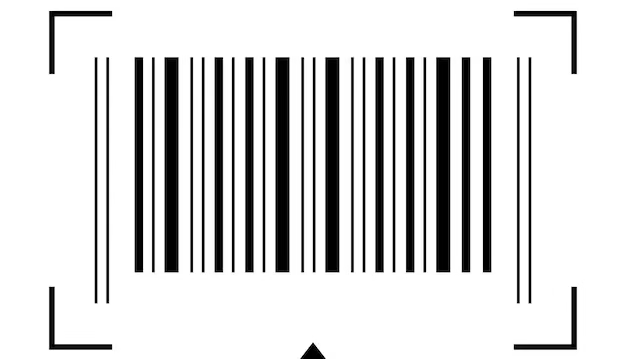
A barcode is a unique visual identifier that translates alphanumeric information into a graphic format made up of lines and spaces of varying widths. This design makes it easy for electronic devices, such as scanners, to quickly read the data linked to a product or service. Despite its simple appearance, a barcode acts as the product’s “fingerprint,” connecting it to databases that hold key details such as price, origin, features, and availability.
Its usefulness extends to many sectors, such as retail, logistics, and the pharmaceutical industry. Barcodes simplify processes such as inventory management, sales automation, and product tracking along supply chains, significantly reducing human error and speeding up operations.
The legal significance of the barcode
In the legal sphere, the barcode takes on a strategic dimension. Although it does not confer property rights the way a registered trademark does, its use ensures accurate product identification and fosters transparency in the market. It is a crucial tool for ensuring traceability, allowing companies to comply with safety, labeling, and marketing regulations.
In Argentina, sectors such as food, pharmaceuticals, and technology are subject to regulations that require traceability technologies, including barcodes, to protect consumers and prevent irregularities in the distribution of goods. This legal instrument also helps protect the reputation of brands and combat unfair practices such as counterfeiting.
Why is your barcode essential for your intellectual property?
The barcode has become an indispensable ally for business owners and creators for the following reasons:
- Unique identification: it links a specific product to its manufacturer or owner, preventing confusion in the market.
- Protection against counterfeiting: it helps authenticate products, which is key to fighting piracy and the misuse of intangible assets.
- Easier exports: international markets, especially the European Union and the United States, require barcodes to comply with import regulations.
- Traceability: it allows a product to be tracked from production to sale, ensuring the manufacturer’s accountability in the event of claims or defects.
- Streamlined logistics: integrating the barcode into business management systems reduces costs and improves distribution efficiency.
Is a barcode mandatory?
Whether it is mandatory depends on the sector and the type of product or service provided:
- Sectors where it is mandatory:
- For pharmaceutical products, food and beverages, and technology, its use is mandatory to ensure traceability and safety.
- In retail, many supermarkets and stores require products to carry barcodes in order to sell them.
- Sectors where it is optional:
- For small businesses or handmade products, a barcode may not be necessary, although it is highly recommended to professionalize management and make sales easier.
- Exports:
- To export products, a barcode is practically indispensable, since international markets require it as a standard.
Legal aspects: laws and regulations that support its use
In Argentina, the use of barcodes is governed by rules that seek to ensure transparency and traceability in trade. Although there is no specific law requiring their use across the board, there are sector-specific provisions that do:
- Commercial Fairness Law No. 22,802: this law regulates product labeling in Argentina, requiring goods to display clear information about their origin and characteristics. Although it does not explicitly mention barcodes, using them is common practice to meet these obligations.
- ANMAT (Argentina’s National Administration of Drugs, Foods and Medical Devices) Resolution No. 420/2019: in the pharmaceutical sector, drug traceability is required through technologies such as barcodes.
- GS1 Global System standards: this international system governs the assignment of barcodes, guaranteeing that each one is unique worldwide.
Reasons to register your barcode with Eguía
At Eguía, we have more than 75 years of experience in the world of intellectual property, offering a comprehensive service that ensures your barcode complies with all local and international regulations. When you choose us, you get:
- Personalized advice: we adapt to the needs of your business and guide you through every step of the process.
- Guaranteed legal compliance: we verify that your barcode complies with the regulations that apply to your sector.
- Support in international markets: we help bring your products into global markets with GS1 standards.
- Simplified procedures: we handle the most complex processes so you can focus on growing your business.
Don’t let technical details hold back the success of your products. With Eguía, you get a reliable, professional registration.
Related reading: