Intellectual property law (IP) is a fundamental tool for protecting creativity, innovations, and brands. For entrepreneurs and students, knowing how IP works can make the difference between a successful idea and a lost opportunity.

In this article, we explain what intellectual property means, its types, and how managing it properly can drive business growth by protecting ideas and guaranteeing a safe space for innovation.
What is intellectual property law?
Intellectual property law refers to the body of legal rules that protect creations of the human mind. It gives creators control over the use and exploitation of their works and inventions, thereby encouraging creativity and innovation.
Within intellectual property, there are several types of rights:
- Copyright: protects literary, artistic, and musical works and software — for example, a book or a song.
- Patents: apply to inventions that are new and useful. A patent can protect a machine, a process, or an innovative product.
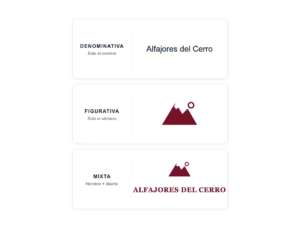
- Trademarks: protect the signs that distinguish goods and services in the marketplace, such as names, logos, and slogans.
- Industrial designs: focus on protecting the aesthetic appearance of a product — for example, the design of a container.
Each of these types of IP has specific characteristics and requirements, so it is essential to understand which one best suits each creation or need of your business or company.
Does intellectual property matter in the startup world?
Intellectual property plays a crucial role in the growth of startups and small businesses because it allows them to protect ideas, brands, and products. This is especially important to prevent competitors from copying and to ensure that only its creator benefits from an innovation.
For example, a startup that develops innovative software can register the copyright in its code, ensuring that third parties cannot reproduce it without authorization. Likewise, a new business launching a clothing brand can register its logo and name, setting itself apart in the marketplace and building a bond of trust with consumers.
In short, intellectual property rights not only protect a company’s assets but also add value, giving entrepreneurs the ability to exploit their innovations commercially without the risk of being imitated.
Benefits of IP rights for business development and innovation
Protecting intellectual property drives business development, because it fosters an environment where innovation can flourish and grow without fear that others will appropriate those ideas. These are the most notable benefits:
- An incentive for creativity: entrepreneurs and creators are more motivated to innovate if they know their efforts will be protected.
- Differentiation in the marketplace: registering a trademark or an industrial design lets you stand out from the competition and establish your own identity.
- Additional income: IP can become a source of income — through licensing, for example. This happens when one company allows another to use its invention, trademark, or design in exchange for payment.
A classic example is technology companies that patent their innovations and then license those patents to other companies. In this way, they generate a steady source of income that allows them to keep investing in research and development, and to keep growing.
Steps to protect intellectual property
To make the most of IP protection, it is essential to follow a series of basic steps that will ensure the rights over your ideas are safeguarded.
That way, entrepreneurs can focus on developing their businesses without worrying about unfair competition. Here are the steps:
- Identify your IP assets: analyze which elements of the company can be protected, such as logos, products, slogans, software, etc.
- Choose the right type of protection: depending on the creation, you can opt for patents, trademarks, copyright, or industrial designs.
- Register your rights: go to the INPI (Argentina’s National Institute of Industrial Property) and file the application for registration.
- Seek legal advice: an attorney specializing in IP can make the process easier and ensure that the protection fits each case.
Conclusion
Knowing and applying intellectual property law is essential for any entrepreneur or student who wants to ensure the success of their ideas. IP not only offers a barrier against copying but also boosts the growth of companies, helping them stand out in the marketplace and opening up new revenue opportunities. If you have an innovative idea, protecting it with the right rights can be the first step toward a successful future.
Further reading: