Intellectual property (IP) is the set of rules that protects the rights of creators, inventors, and companies over their ideas and developments under intellectual property law.

It covers different types of intangible assets, such as literary and artistic works, invention patents, trademarks, and industrial designs. Its main goal is to ensure that those who create value through innovation and creativity can obtain recognition and benefits for their work.
In Argentina, intellectual property is governed by several laws that seek a balance between protecting these rights and ensuring access to knowledge and innovation. These rules lay the foundations for the registration, use, and defense of trademarks, patents, and copyright across different sectors. Below, we look at the main laws governing this field and why they matter to anyone who wants to protect their creations.
Law No. 11,723: copyright and related rights
Enacted in 1933, Copyright Law No. 11,723 protects authors’ rights over their creations in various forms:
- Protected works: these include books, music, paintings, photographs, software, and audiovisual works.
- Term of protection: economic rights last for the author’s lifetime and 70 years after their death.
- Related rights: performers, producers, and broadcasting organizations also have exploitation rights over their performances and broadcasts.
Law No. 22,362: trademark protection
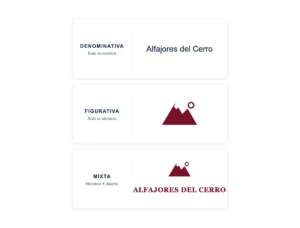
Trademark registration is essential for differentiating and safeguarding the distinctive signs of goods and services. Some key points of this law are:
- Registration requirements: the trademark must be distinctive and must not be misleading.
- Term: a trademark registration lasts 10 years and can be renewed indefinitely.
- Oppositions and disputes: oppositions can be filed if the trademark applied for is similar to an earlier one, which can lead to litigation.
Law No. 24,481: patents and utility models
Patents protect inventions and give their owners exclusive rights of exploitation. In Argentina, the law provides for:
- Term: patents are valid for 20 years from the filing date.
- Requirements: inventions must be new, involve an inventive step, and be industrially applicable.
- Utility models: these protect functional improvements to products and are valid for 10 years.
Intellectual property disputes
Disputes can arise from copyright infringement, trademark misuse, or patent disputes. In these cases, the parties can turn to administrative proceedings before the INPI (Argentina’s National Institute of Industrial Property) or to the courts to resolve the dispute.
Knowing Law No. 11,723 and the related legislation is key to properly protecting and managing IP rights in Argentina. Proper registration and defense of these rights strengthens innovation and competitiveness in the marketplace.
Our team of intellectual property experts is ready to safeguard what belongs to you. Take a step forward.
International context
Here are links to WIPO’s database, where you can consult the full legal texts and how they apply in the international context of intellectual property law.
What is IP? The definition from WIPO, the global IP organization.
Further reading: